Few neighborhoods in Paris reward slow exploration quite like Le Marais.
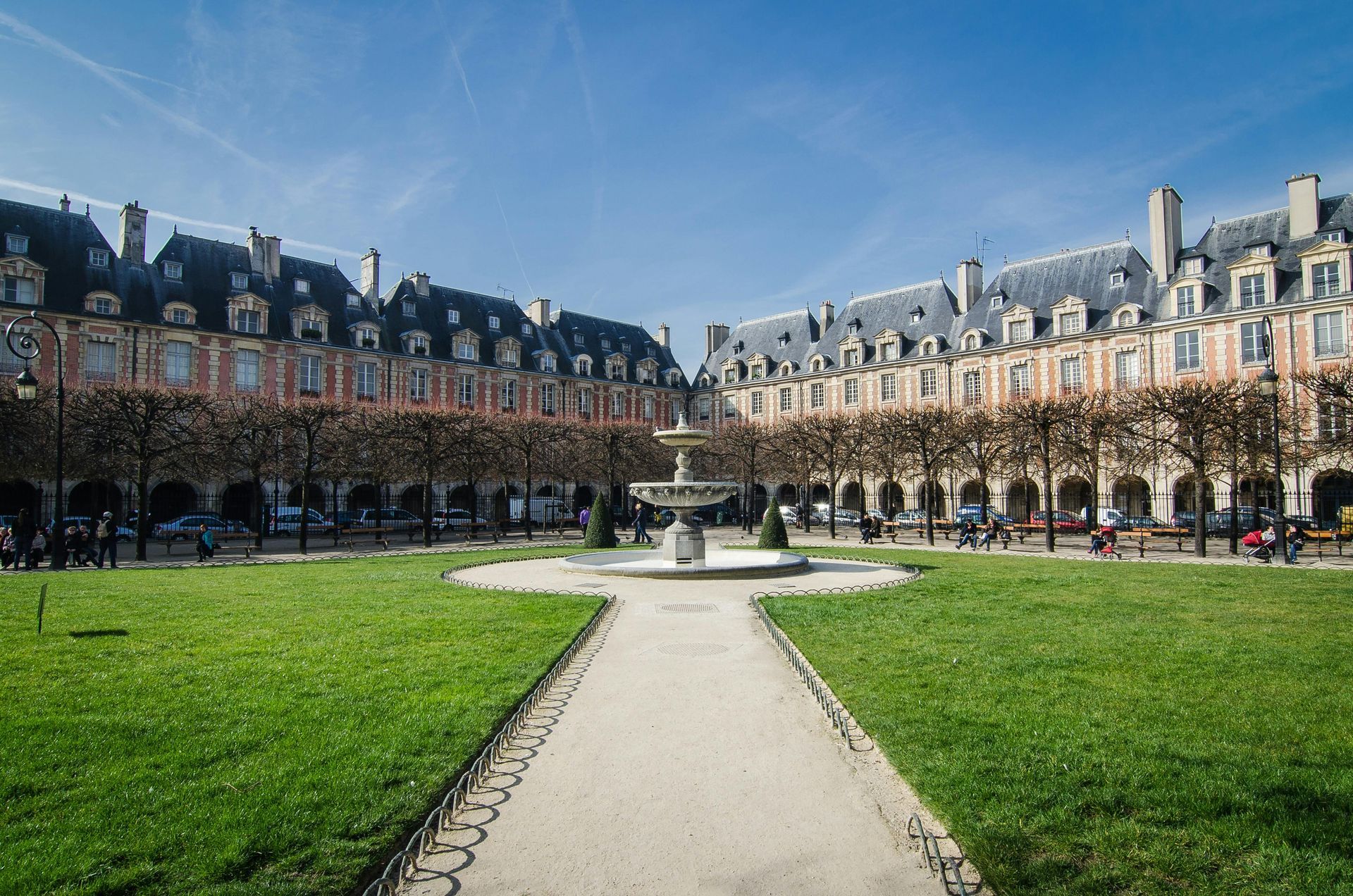
A 17th-century mansion stands beside a concept store, a falafel counter draws a queue past the synagogue next door, and the arcades of Place des Vosges shelter a garden where locals linger through weekday afternoons.
This is a district of accumulated layers, and it reveals itself best to those who look closely.
This guide offers a considered look at the district's history, landmarks, museums, food scene, and character, structured to help first-time visitors and returning travelers understand what makes Le Marais one of the most compelling things to do in Paris for a full day of unhurried discovery.
What Is Le Marais?
Le Marais spans the 3rd and 4th arrondissements on the Right Bank, occupying a central position between the Pompidou Centre and the Seine.
The southern section, the Historic Marais, sits closest to the river, while the northern Haut Marais has a more contemporary energy shaped by galleries, coffee shops, and a creative local crowd.
A Brief History of the District
The name Le Marais reflects its origins: in medieval Paris, this was marshland at the edge of the city.
By the 17th century it had become the preferred address of the French nobility, its streets lined with grand hôtels particuliers whose facades still frame every corner of the district today.
After the Revolution the nobility departed and the district fell into decline.
Waves of Jewish immigrants settled here from the 19th century onward, establishing the quarter's lasting cultural identity.
By mid-century demolition threatened much of the area, but the 1962 Malraux Law launched a government-led restoration that preserved both its architecture and its history.
Top Landmarks and Squares
Several of Le Marais's most impressive architectural moments require no ticket, simply an unhurried walk and a willingness to look up.
The district's civic and royal heritage is readable at street level in a way that few neighborhoods in Paris can match.
Place des Vosges
Place des Vosges, completed in 1612, is the oldest planned square in Paris. Its red-brick facades, arcaded walkways, and central garden where sitting on the grass is permitted make it the most arresting public space in the neighborhood.
Maison de Victor Hugo occupies one of the pavilions, and Carette is the nearby address for chocolat chantilly.
Hôtel de Ville
The Place de l'Hôtel de Ville and its Renaissance-era Paris City Hall form one of the city's most theatrical civic stages.
The square's scale and unobstructed lines make it a natural gathering point throughout the year, regularly hosting outdoor markets, public events, and seasonal installations.
Best Museums in Le Marais
Le Marais has a higher concentration of museums than almost any other neighborhood in Paris, ranging from free public institutions to internationally renowned collections.
For those who prefer expert guidance, a
private Le Marais walking tour with Picasso Museum offers four hours of private access and guided exploration of the district.
Musée Picasso
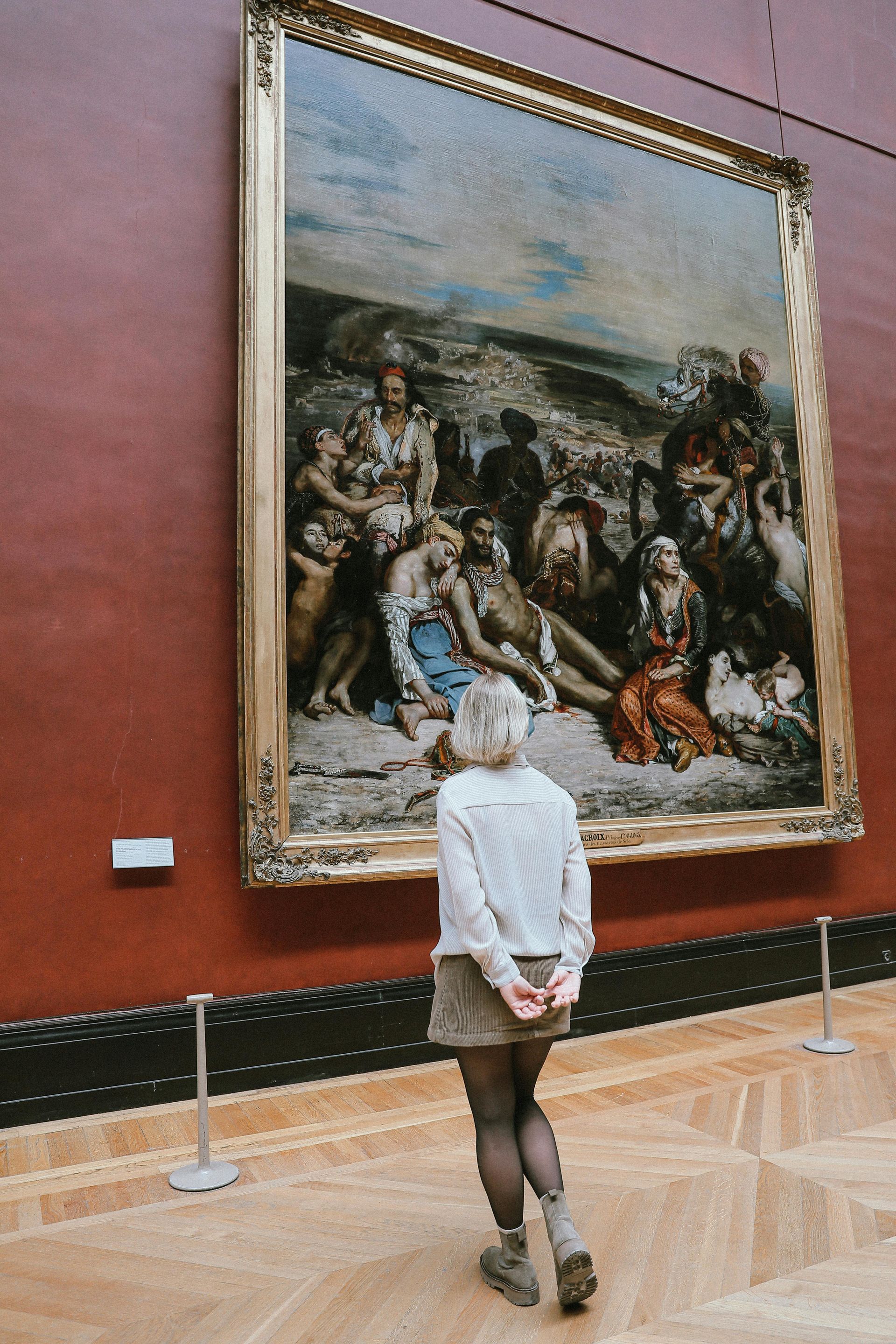
The Musée Picasso is housed in the Hôtel Salé, a grand 17th-century mansion whose collection spans over 5,000 works.
Paintings, sculptures, ceramics, and personal correspondence make this the most comprehensive survey of Picasso's work in any public collection in the world.
Tickets are around 14 euros; booking in advance is strongly advisable given consistent demand.
Musée Carnavalet
Musée Carnavalet is free to enter and dedicated entirely to the history of Paris, set across two adjoining Renaissance mansions.
The reconstructed period interiors, including rooms preserved from private homes of different eras, are particularly absorbing, as are the collections documenting the French Revolution and the Haussmann-era transformation of the city.
Mémorial de la Shoah
France's principal Holocaust memorial and research center is free to visit and open Sunday through Friday.
The Mémorial de la Shoah holds a permanent museum alongside the Wall of Names, listing French Jews deported during the war.
It is a place of testimony, memory, and quiet, necessary reflection.
The Jewish Quarter of Le Marais
Rue des Rosiers is the animating street of the neighborhood's Jewish heritage. Falafel counters, traditional bakeries, synagogues, and Hebrew bookshops occupy a single street that has served successive waves of Jewish immigration for over a century.
It remains one of the most atmospherically layered streets in Paris.
The Musée d'Art et d'Histoire du Judaïsme, in the Hôtel de Saint-Aignan, is the largest Jewish museum in France. Its collections trace Jewish art and cultural life from medieval Europe to the present.
For those who want to understand the neighborhood's layered history more fully, history and culture tours in France offer expert-guided context.
Haut Marais vs. Historic Marais
The Haut Marais (3rd arrondissement) has a contemporary character: concept stores, specialty coffee, and a younger, creative crowd.
The Historic Marais (4th arrondissement) feels older and more atmospheric, with narrower lanes, grander mansions, the Jewish quarter, and a proximity to the Seine that grounds it in centuries of Parisian history.
Where to Shop in Le Marais
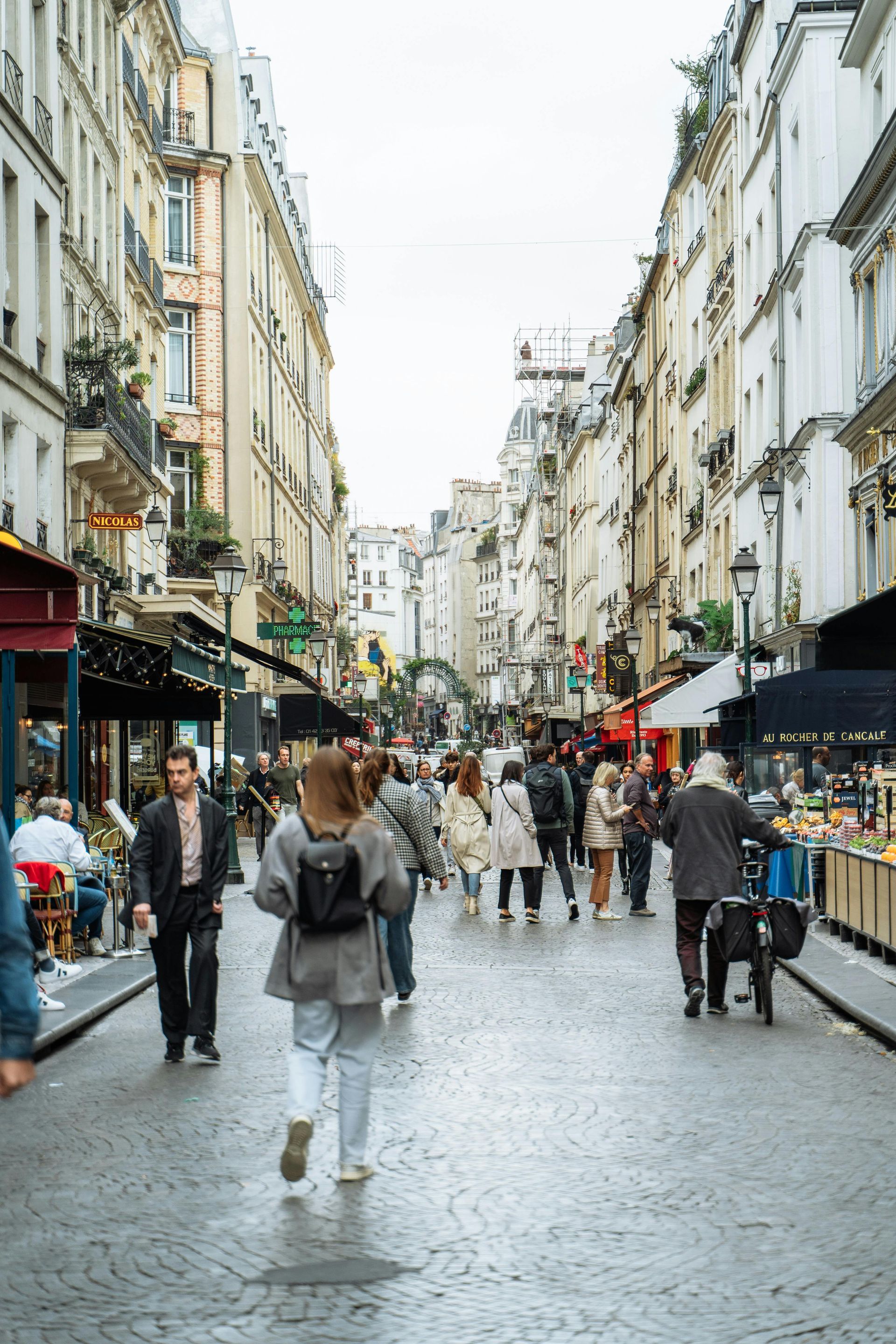
BHV Marais anchors the southern end as a department store destination, while Rue Sainte-Croix de la Bretonnerie and Rue de Bretagne reward slower browsing through independent boutiques.
Village Saint-Paul, tucked behind a courtyard, is the address for antiques. Vintage clothing is well represented throughout the district's side streets.
Markets Worth Visiting
The Marché des Enfants Rouges dates to 1615, making it Paris's oldest covered market. Moroccan, Italian, Lebanese, Caribbean, and French stalls cluster around communal tables, and it functions as much as a place to eat as to shop.
Rue de Bretagne's independent food shops offer a quieter version of local market life alongside it.
Where to Eat and Drink
Au Petit Fer à Cheval on Rue Vieille du Temple is the neighborhood's most reliable classic bar, its zinc counter and tight room entirely unchanged by the decades around it.
La Belle Hortense pairs wine with books in a setting that captures a very particular quality of Parisian café culture.
Candalaria is a taqueria whose back room conceals one of the more quietly impressive cocktail bars in the district. Le Mary Celeste is the address for considered cocktails and small plates.
For something more classical, Carette at Place des Vosges remains the destination for the neighborhood's famous chocolat chantilly.
The LGBTQ+ Scene in Le Marais
Le Marais has served as Paris's most established LGBTQ+ neighborhood since the 1980s.
Rue des Archives and Rue du Temple are the primary streets for bars and social spaces, and the neighborhood's inclusive character is woven into its everyday life rather than confined to a separate zone.
It is considered central to the district's identity.
Ready to Explore Le Marais Like a Local?
Wandering Le Marais without a fixed agenda is, in itself, one of the pleasures of Paris.
The district rewards curiosity, and many of its finest moments, a courtyard glimpsed through a half-open gate, a morning market winding down by noon, are ones that no guide can reliably prescribe.
When that depth of local knowledge does matter, it changes what the neighborhood reveals. France Luxury Tour's guides know its hidden courtyards, lesser-visited mansions, and the histories that rarely make it onto a map.
Reach out to plan your Paris visit or browse the full range of private luxury Paris tours.